 Newsletter
 Shop
Shop Login
Login Menü
Menü





 2/2026

- Retailers and suppliers: exclusive insights
- Market analyses and country reports
- Magazine in print and digital
- Latest news and archive
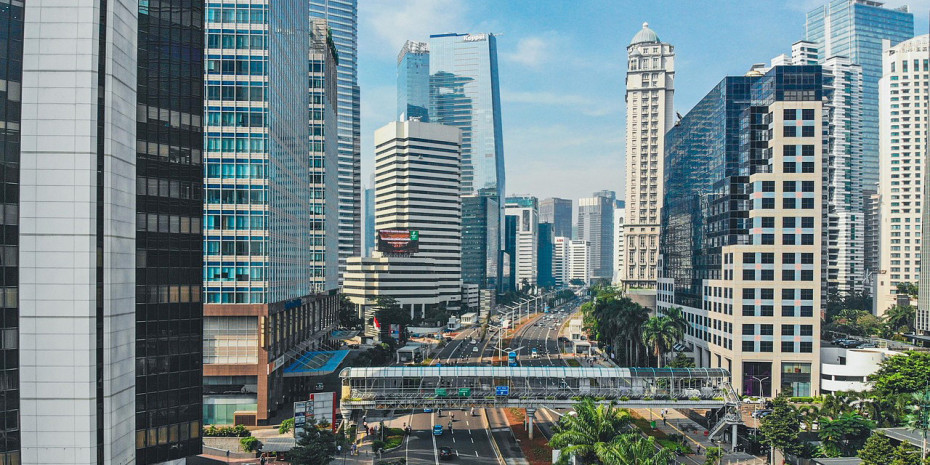
The Indonesian pet market is on a growth trajectory. Headlines such as ‘The Pet Parent Economy in Indonesia Is Booming’ or ‘Indonesian pet food market – Strong growth potential’ are beckoning and they are based on the findings of multiple independent analysts. Valued at $2.3 billion in 2023, it is projected to reach $7.6 billion by 2036.
Furthermore, new treaties could trigger a wave of interest in the island nation. A free trade agreement was concluded with Chile in 2019 and with Australia in 2020. Comprehensive economic partnership agreements were signed with the European Union, Canada and Peru in 2025. In 2026, the Republic of Indonesia entered into an agreement on reciprocal trade with the United States of America.
Therefore, all signals appear to be green, and the outlook is promising – yet any expansion into Indonesia requires careful preparation. While the country is generally open to foreign business, its specific infrastructure and culture mean that Western assumptions cannot simply be transplanted. PET worldwide spoke with market experts from Indonesia and abroad, as well as entrepreneurs with many years of experience in the country’s pet industry, to explore the opportunities and obstacles.
A strong market in a complex country
Indonesia is a presidential republic – the third largest democracy in the world, and, with a nominal GDP of $1.443 trillion in 2025 and a growth rate of 5%, the 16th largest economy. 87% of the population are Muslim, but the constitution guarantees freedom of religion.
The official language is Bahasa Indonesia. In the English Proficiency Index, the country was placed in the low proficiency segment. However, the capital Jakarta received a ‘moderate proficiency’ rating. This is a salient point given that, despite the country's vast archipelago of over 17,000 islands, more than half of its 280 million citizens reside on the primary island of Java, with over 42 million people concentrated in the economic hub surrounding the capital. Still, Andra Wisnu, a senior executive in the communication department of the German-Indonesian Chamber of Industry and Commerce, told us that Bahasa Indonesia remains important for the broader involvement of stakeholders.

From street cats to wellness routines
Indonesia’s demographics are a key growth driver. Around 40% of the population…






 Newsletter