
 Newsletter
 Shop
Shop Login
Login Menü
Menü






 1/2026

- Retailers and suppliers: exclusive insights
- Market analyses and country reports
- Magazine in print and digital
- Latest news and archive
The pet industry is growing year on year, and in Belgium, as in the rest of Europe, pets have become an integral part of family life. New figures from the Belgian Petfood Association (Bepefa) and the European pet food organisation Fediaf provide exciting insights into consumer behaviour, purchasing preferences and general market developments, reported the Belgian manufacturer Flamingo Pet Products in a blog post.
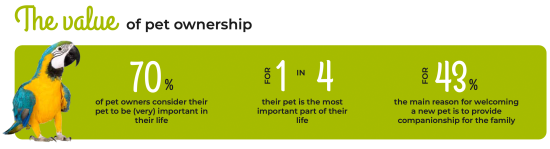
According to the Bepefa study ‘Importance of Pets in Belgium 2025’, one in six households took in a new pet the year before. Seven out of ten owners consider their pet to be (very) important in their lives. At the same time, a third of pet owners say they feel guilty when they leave their pet alone. The emotional bond with pets remains an important factor in spending and care behaviour.
43% of Belgian consumers choose a specific brand before they even enter the shop – a third only compare products once they are in the shop. Average monthly expenditure: €122 per pet. Younger pet owners spend as much as €151. This amount includes food, grooming, vet visits and accessories. It is striking that, despite inflation, 61% of pet owners do not plan to cut back on their pet’s care. Only a small group is considering choosing cheaper food, giving fewer snacks or postponing vet visits. 47% are willing to pay more for sustainable food.
Significantly higher
Supermarkets and pet shops are the most popular places to shop. The most important purchase criteria are life stage, taste and price. Online sales are increasing, but physical presence and visibility on the shelf remain crucial.
Six out of ten Belgian households have at least one pet. This figure is significantly higher than four years ago and confirms a trend that has been visible since the Covid pandemic.
On average, there are 3.1 pets per household. Cats (33%) and dogs (30%) – according to Fediaf, 2.05 million dogs and 3.08 million cats in Belgium – remain the most popular pets. However, fish, birds, rabbits and rodents are also still present, albeit in smaller but stable numbers.
It is interesting to note that younger Belgians (<34 years) and French-speaking respondents in particular are more likely to have pets. Among younger people, the proportion is as high as 73%, compared to 39% among those over 55. There is therefore a rejuvenation within the target group of pet owners, which has implications for…







 Newsletter