
 Newsletter
 Shop
Shop Login
Login Menü
Menü





 2/2026

- Retailers and suppliers: exclusive insights
- Market analyses and country reports
- Magazine in print and digital
- Latest news and archive
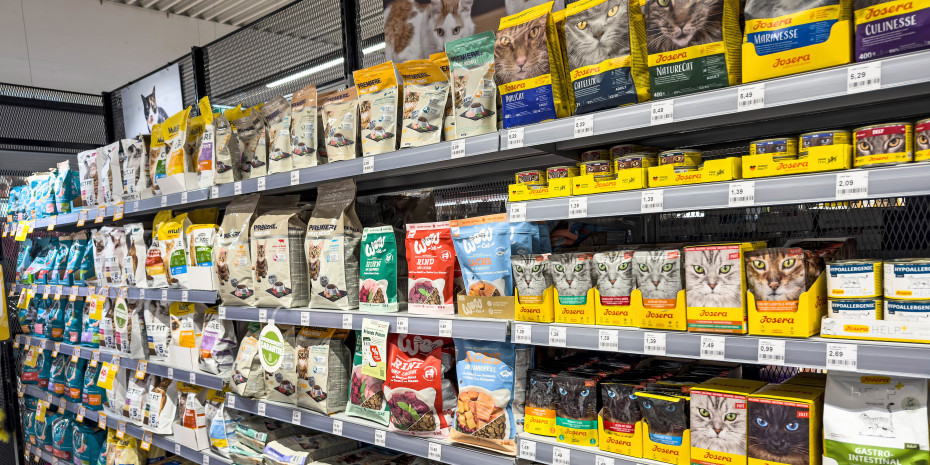
When more than 230 brands compete for the same cat bowl, storytelling can become the most expensive ingredient. As both a cat owner and the operator of PetfoodIndex, I spend a surprising amount of time looking at cat food labels. My professional interest lies in something rather simple: price transparency.
PetfoodIndex monitors large numbers of online pet food offers across European retailers and analyzes how brands position their products in the market. By comparing price per kilogram, packaging sizes, ingredients and nutritional values, the platform helps manufacturers understand where their products actually sit within the competitive landscape.
For brands, this type of market intelligence has become increasingly important. Pricing a product today is no longer just a marketing decision—it is a data problem. When hundreds of competing SKUs exist in the same category, companies need to know whether they are positioned as premium, mainstream, or accidentally overpriced.
PetfoodIndex helps manufacturers establish data-driven pricing strategies, identify competitive price corridors and calculate metrics such as protein-per-euro, which reveals how much nutritional value consumers actually receive for their money. Looking at the market through this lens leads to an obvious realization: the German pet food market is one of the most crowded consumer categories imaginable.
Premium pet food marketing has mastered the art of narrative. Ingredients are not simply listed—they are described. Chicken becomes free-range poultry. Vegetables become garden harvests. Packaging uses earthy colours and the language of culinary craftsmanship.
The result is that consumers are often not just buying nutrition. They are buying a feeling of quality.
One product from one of my orders illustrates a problem particularly well. My cat is allergic to ruminant proteins, such as beef, pork or lamb. So when I ordered Dolina Noteci Premium – Rich in Duck, the name suggested a product that would be safe for him. I only discovered the problem later: Looking more closely at the ingredient list, it turned out that the recipe actually contains 25% beef, alongside duck, chicken and pork.
The 3-Step ‘Overpriced Test’
Many pet food companies believe they understand their competitive position. In reality, many are surprised when they analyze their products against the broader market. A simple three-step test…




 Newsletter