
 Newsletter
 Shop
Shop Login
Login Menü
Menü





- Retailers and suppliers: exclusive insights
- Market analyses and country reports
- Magazine in print and digital
- Latest news and archive
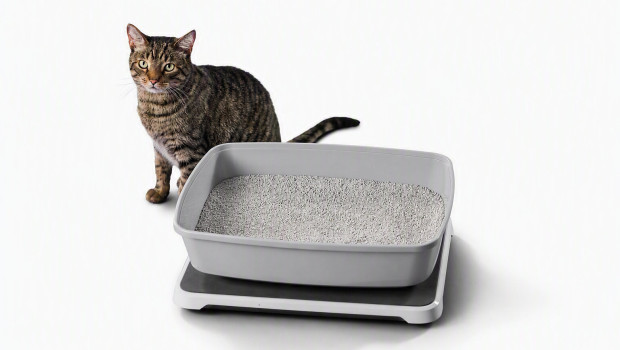
A machine-learning model fed with data from a smart litter box monitor has identified behavioural patterns associated with chronic kidney disease (CKD) in cats. Despite the overall success and focus on optimizing precision for CKD predictions to increase the confidence in positive CKD predictions, this design choice did come at the cost of an increased false-negative rate for CKD cats. The retrospective study by Nestlé Purina PetCare Global R&D and The Ohio State University appeared in the open-access journal Animals on 25 April; the Purina Institute publicised the findings on 31 August.
The monitor sits beneath a litter tray and uses load cells to register every visit. It classifies urination, defecation and non-elimination events, distinguishes individual cats in multi-cat households and logs body weight, feeding the trends into an app. Data from 136 cats, gathered between January…


 Print - digital - online