 Newsletter
 Shop
Shop Login
Login Menü
Menü



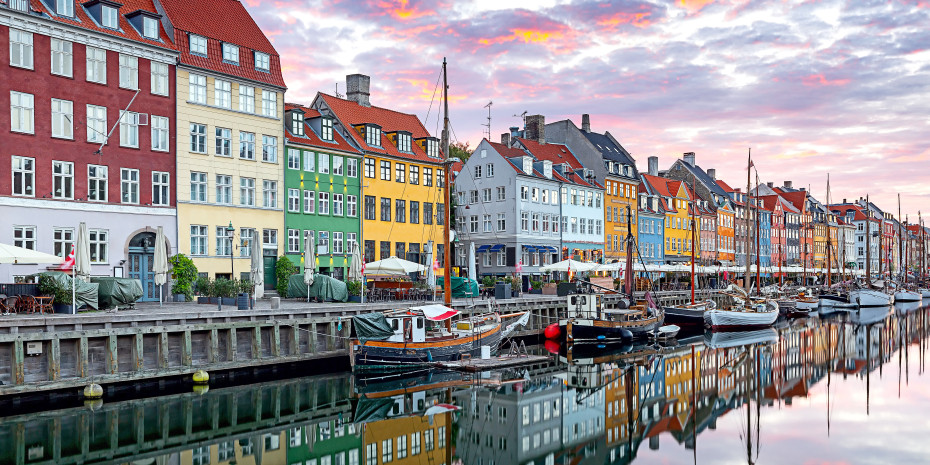


Copenhagen, October: When the international pet industry gathers in the Danish capital, the big questions of the day are on the table: how to manage change and build lasting relationships in a fast-moving market. Enter the International Pet Conference (IPC), presented by PET worldwide, pet’s international sister publication. ‘Pets, People, Progress – Developing the pet industry together’ is this year’s theme, and on October 13 and 14 the focus will be on inspiration, knowledge exchange and face-to-face meetings. Oliver Mengedoht and Sarah Daubert will host both days.
The programme opens with Marco Hierling (AlphaPet Ventures) and his case that premium healthy food is moving from niche to mainstream, driven by health and wellness, the premiumisation of the cat category and online subscription models.
The host region then gets its own slot. Per Lausen of Eldorado A/S, a family-owned Danish sourcing and service company since 1963, maps the Nordic market in his keynote: humanization, health and wellness, sustainability and omni-channel retailing, the differences between Denmark, Sweden and Norway, and the categories he sees driving growth to 2030. Ellinor Persdotter Nilsson, CCO of the Musti Group, introduces the region’s largest pet specialist and its rise to become a pan-European player, and Liseth Galvis-Corfe (Euromonitor) provides the European numbers, from pet population dynamics and the east-west divide to the wet/dry food balance, the weight of e-commerce and the markets she expects to grow fastest over the next five years.
Day two widens the view: Timo Tervo (Pet Network International) on the emergence of a 300-store champion in the fragmented markets of Southeast Europe, Gavin Vermeulen (Montego) on turning a South African origin story into a European advantage, and Marco Hutterer (Ammersea Group) on integration rather than distribution as the key in Southeast Asia.

From sweeping floors to market leader
A highlight of the first day: Oliver Mengedoht talks to Anthony Gallagher, Managing Director of Petstop Ireland, about his unusual career path. Gallagher began his retail career at the Irish clothing chain Penneys, where he started sweeping floors and worked his way up to management. In 1995, he opened the first Petstop store in Sandyford, near Dublin, at a time when there were no large pet stores on the island. His plan was different from what actually happened: grow fast, then sell at a profit.
It almost worked. By the end of the 1990s, Petstop had five stores, and Gallagher was building the online platform petmad.com alongside them. A US start-up backed by Petco offered about $42 million to expand into Europe through Petstop, but then the dotcom bubble burst in April 2000. Instead of filing for bankruptcy, Gallagher negotiated with each creditor individually and paid off the debt over several years. At one point, only one location remained.
From this base he built Ireland’s leading independent pet retailer: 15 stores today, plus a private label business that accounts for 25 to 30 percent of sales. Nádúr, a dog food brand made in Ireland, has knocked Royal Canin off the top spot in his chain. In Copenhagen, he will explain why he turns down offers from private equity investors, how his management team has held together for nearly 30 years, and what he has learned from nearly losing everything.
Five newcomers, one vote
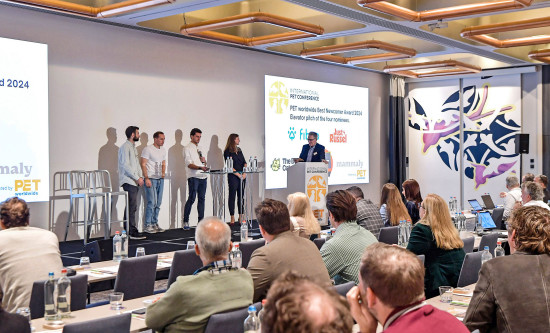
The PET worldwide Best Newcomer Award 2026 will be decided by the readers of both magazines online and by the trade visitors in Copenhagen, with each vote counting for 50%. The nominees are DoPetMe from Austria, which turns the mailbox into a reusable cat house; Lost Garden Canine from Hungary with its JointMax joint care system; PetRhein with the app-controlled AstroPet brand of litter trays, water dispensers and feeders; and Tasty Petfood (both Germany) with gently steamed fresh food in jars and a subscription model; and the Polish company Wildove with Joy&Toy!, a snack surprise egg for dogs and cats. Voting is open until October 5 at www.petworldwide.net/bestnewcomer. On the first day, the five young companies will present themselves to the audience in five-minute elevator pitches.
The first day will conclude with a roundtable discussion on the future of leading international shows, featuring Dr. Rowena Arzt (WZF/Interzoo), Pascale Sonvico (Zoomark International) and Chris Li (CIPS). For decades, the industry looked to Europe and North America for innovation, partnerships and growth, and the big shows in those regions set the rhythm of the calendar. Both remain central. But the global pet business is no longer organized around a handful of regions: Asia has long since become a market in its own right rather than a sourcing destination, and the fastest growing companies tend to be those that look beyond their home region for consumer trends, manufacturing advantages and distribution. What a leading trade show has to offer when the industry’s center of gravity is shifting is exactly what the three organizers will have to answer.
If you would like to come along, you can purchase your ticket here:
The closing block, ‘The rise of AI and protein futures’, turns to two forward-looking subjects. Jan Philip Petershagen (Bewital Holding) shows by practical example how the AI hype can be turned into tangible benefit, while Stephan Thomeczek (Protix), Hermann Sloot (Calysta Germany), Marcel Hoffmann and Bert Fuhrmann (both Marsapet) discuss responsible sourcing in a panel on alternative proteins. Jan Luprich (BeneMeat) closes with the industrialisation of cultured meat for pet food.







 Newsletter