
 Newsletter
 Shop
Shop Login
Login Menü
Menü




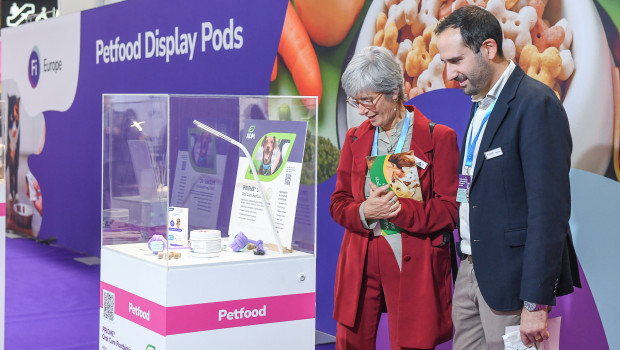
Analysts predict that the global pet food market will grow to US$263.8 billion by 2036, according to a press release from Fi Europe. This presents clear and immediate opportunities for brands across the industry. Against this backdrop, a new publication from Fi Europe examines the trends shaping the global pet food industry.
With its latest e-magazine, ‘Pet Food Trends 2026’, the trade fair for food ingredients aims to offer manufacturers, brands and suppliers a comprehensive overview of the global pet food landscape.
Building on last year’s report ʻThe Future of Pet Foodʻ, the new e-magazine highlights key trends that are significantly influencing product development, consumer behaviour and supply chain strategy within the industry. It also offers a preview of the topics, perspectives and opportunities that await visitors to this year’s Fi Europe trade fair in Frankfurt this November.
The three key pet food trends identified by Fi Europe are:
1. Rising demand for ‘natural’ pet food
With the increasing humanisation of pets, pet owners are placing ever greater importance on their pets’ health and wellbeing – a reflection of their own growing health consciousness. This trend is driving demand for natural pet food free from artificial additives, preservatives and fillers. Brands are responding to this through digital and physical platforms by informing consumers about the benefits of these alternatives and expanding their ranges to include raw food, freeze-dried food, human-grade recipes and functional treats tailored to specific health needs such as digestion, joint health and the immune system.
2. Protein demand and its impact on sustainability
The growing humanisation of pet food is also driving demand for high-quality muscle meat. According to the Pet Sustainability Coalition, this trend may call into question the environmental benefits of whole-animal utilisation and circular economy models. As manufacturers must balance quality standards with sustainability goals, the efficiency of by-products and novel proteins may be overlooked when sourcing food-grade meat. Alternatives such as insect-based or fermented products and hybrid formulations are gaining in importance despite challenges with scaling up, whilst traditional dry food continues to contribute to lower greenhouse gas intensity.
3. Preventative and proactive health promotion
Dietary supplements are increasingly becoming a key component of pet care, as pet owners are turning more to preventative and disease-specific nutrition to promote long-term health and reduce veterinary costs. Optimising a pet’s diet, including targeted nutritional supplements, can bring both health benefits and potential cost savings over time. The e-magazine therefore highlights the importance of dietary supplements that go beyond merely occasional use.
These insights offer a preview of this year’s Fi Europe programme. The event, taking place in Frankfurt, features a dedicated Pet Food & Nutrition Hub, where suppliers, innovators and thought leaders will explore trends, opportunities and much more in greater depth.
In addition, the new Pet Food & Nutrition Forum will feature specialist talks, exhibitor presentations and interactive experiences. From fireside chats and panel discussions to hands-on innovation workshops, visitors will gain the insights they need to develop smarter and more sustainable solutions. The full programme will be announced in the coming months.
Those interested can find the report and further information at: e-magazin and www.figlobal.com.




 Print - digital - online