
 Newsletter
 Shop
Shop Login
Login Menü
Menü





 4/2026
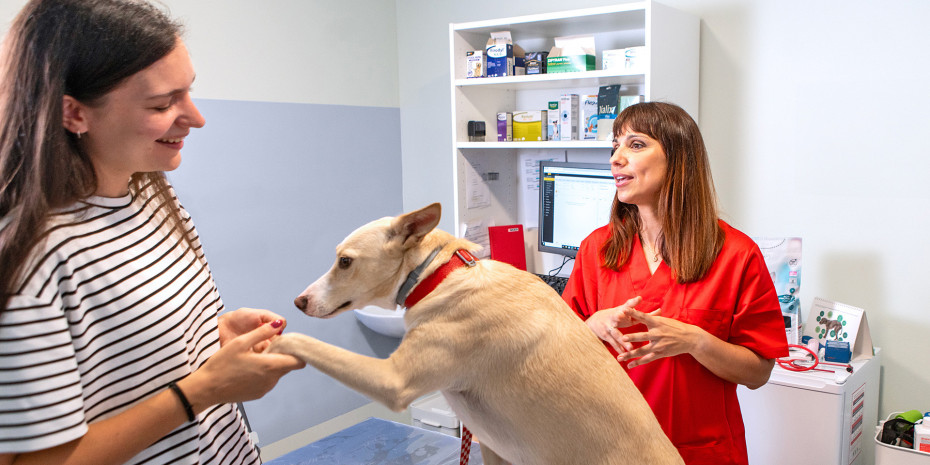
Vets are indispensable partners to the pet industry. They provide medical care, advise pet owners and shoulder a heavy professional and emotional burden on a daily basis. Yet those who look after the health of our animals are themselves increasingly reaching their limits. Mental health in veterinary medicine is therefore not a marginal issue, but a structural challenge for the profession and the industry as a whole.
This places a clear responsibility on Purina PRO PLAN. Through the European ‘Thank You Vets’ initiative, Purina aims to foster recognition, awareness and practical support. The Purina Vet Centre offers freely accessible resources on stress management, mental resilience and mindfulness. 81 per cent of respondents who regularly received a thank-you message said this had had a positive impact on their day. ‘We see your care’ is therefore more than just a campaign slogan: it is an invitation to take a more conscious interest in the people behind veterinary care.
The situation in Germany is clear. In a nationwide survey of 3,118 vets, 19.2 per cent reported current suicidal thoughts; 32.1 per cent showed an increased risk of suicide. More than a quarter showed clinically significant levels of depression. These figures were significantly higher than those for the general population used for comparison. They reflect psychological distress and risk, not the actual suicide rate.

The causes do not lie solely in the practice of veterinary medicine. Emotional crises, euthanasia, staff shortages, financial pressure, high expectations from animal owners, difficult conversations and a lack of appreciation are all occurring against the backdrop of a changing working environment. The issue cannot, therefore, be resolved through individual resilience alone. It requires a healthy working environment, good leadership and a culture in which support is taken for granted.
Dialogue and guiding
There is also a great need for action at European level. A survey commissioned by Purina PRO PLAN in 2026, involving 654 veterinary professionals in France, Italy and Portugal, revealed that 78 per cent wanted more support for mental health and wellbeing, 71 per cent had considered leaving the profession due to emotional strain, and 57 per cent reported increased pressure over the past two years. At the same time, 76 per cent still find joy in their work and 92 per cent would recommend a career in veterinary medicine to young people. It is therefore not a question of describing a profession in crisis, but of securing its future viability.
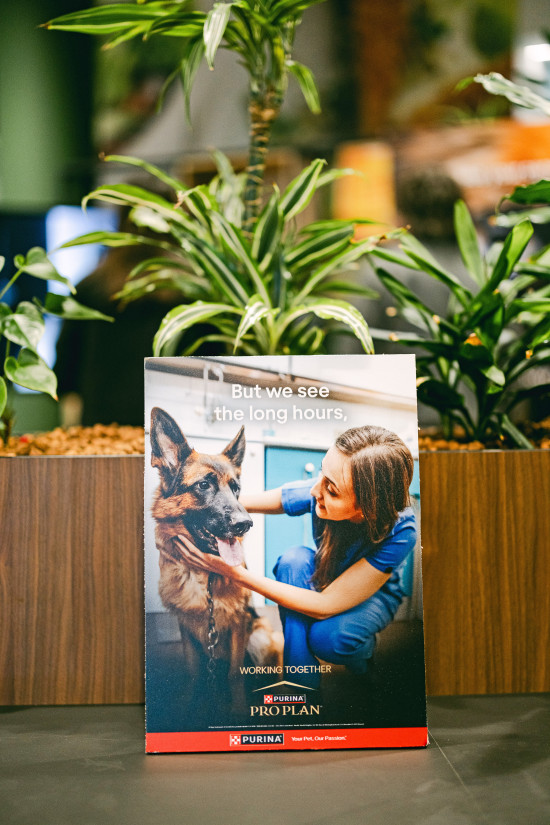
On 4 March 2026, the conference ‘Veterinary Mental Health: A Cornerstone of One Health’, held at the European Parliament in Brussels, brought together the veterinary profession, policymakers, industry representatives and wellbeing experts. The focus was on mental health and the resilience of the profession. The discussion highlighted that training, recognition and access to support must be considered as an integrated whole throughout the entire career.
In Germany, Purina complements this approach by collaborating with Vethilfe e. V. This independent, charitable organisation offers people working in all areas of veterinary medicine a confidential, free and, if desired, anonymous counselling service based on the peer-support principle. Purina provides financial support for this work and helps to raise awareness of the service through its own channels. The aim is not to establish parallel structures, but to make profession-specific support visible where it is needed.
The younger generation must also be part of the solution. Early opportunities for dialogue and guidance can help to destigmatise mental health. At the same time, universities and employers are called upon to strengthen communication, psychological safety, supervision and an open culture regarding mistakes and leadership. Resilience programmes are useful, but must not shift the blame for structural problems onto individuals.
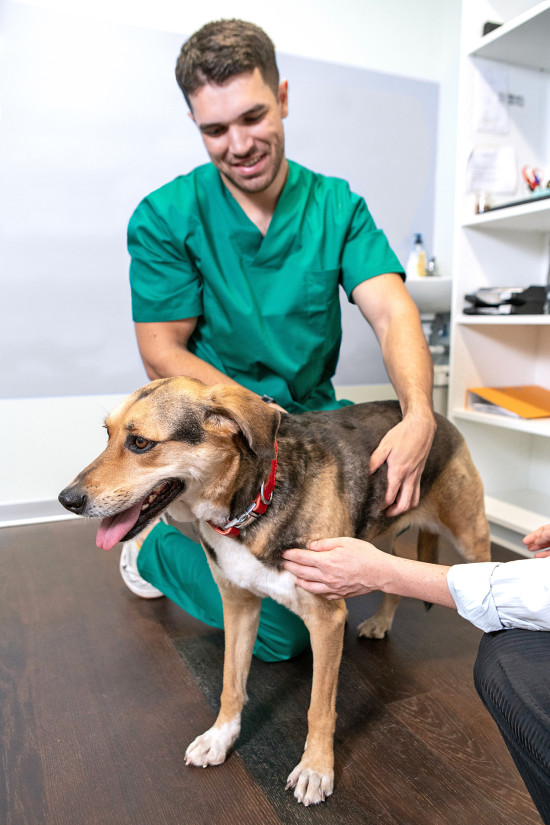
Under the title ‘The Hidden Cost of Caring: Veterinary Mental Health and the Role of the Pet Food Industry’, Carmen Borsche and Stephanie Müller-Strauß will be addressing this topic on 13 October 2026 at the International Pet Conference in Copenhagen. The key message is that when the working capacity and well-being of the veterinary profession come under pressure, it affects the entire pet industry.
That is why we need to act together: to take preventive action at an earlier stage, make existing support more visible, foster a greater sense of appreciation, and embed mental health as a permanent feature of training, leadership and collaboration. Caring has a cost. But this cost must not be borne solely by the people who look after our animals’ health every day.







 Newsletter