
 Newsletter
 Shop
Shop Login
Login Menü
Menü




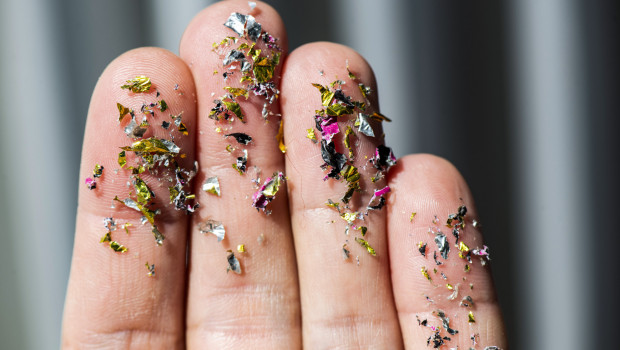
For the first time, researchers have systematically investigated the levels of microplastics in commercially available pet food. A team from the Universities of Sussex and Exeter, supported by the British Hedgehog Preservation Society, analysed 38 products for cats, dogs and hedgehogs from 19 brands available in the UK. The findings were published in May 2026 in the journal *Environmental Toxicology and Chemistry*.
Of the 228 samples tested, 63 (27.6 per cent) contained microplastics. At product level, 76 per cent were affected, and residues were found in 84 per cent of the brands – 16 out of 19; three brands remained completely free of microplastics. Low-cost products in the entry-level price range were more frequently contaminated than those in the mid-range and premium segments. Products listing ‘meat and animal by-products’ in their ingredients had the highest contamination rate at 90 per cent. The most commonly found materials were polyester, polyacrylamide, polyethylene and polypropylene; the particles measured between 0.09 and 3.8 millimetres and consisted of approximately 60 per cent fibres and 40 per cent fragments.
Although dry food contained more particles per gram, the study found that wet food—which is lower in energy and therefore fed in larger quantities—poses the highest risk of exposure: a large dog weighing 35 kilograms would, theoretically, ingest around 313 microplastic particles per day when fed a wet diet; across all scenarios, the range is from 162 to 2,314 particles. For hedgehogs, which are frequently fed pet food in gardens, the researchers estimate 6 to 105 particles per day. The concentrations measured were higher than in comparable studies on human food.
The authors see this as a previously overlooked route of entry: microplastics could enter soils and terrestrial ecosystems via the faeces of domestic and wild animals. ‘Microplastics are not just a problem for the oceans,’ emphasises Fiona Mathews, Professor of Environmental Biology at the University of Sussex. The team points out, however, that the health consequences for the animals have not been investigated and that the source of contamination – ingredients, packaging or processing – remains unclear. Further research is needed in this area.




 Print - digital - online